
Fortune’s Surprises in Big Bass Crash Game for Canada
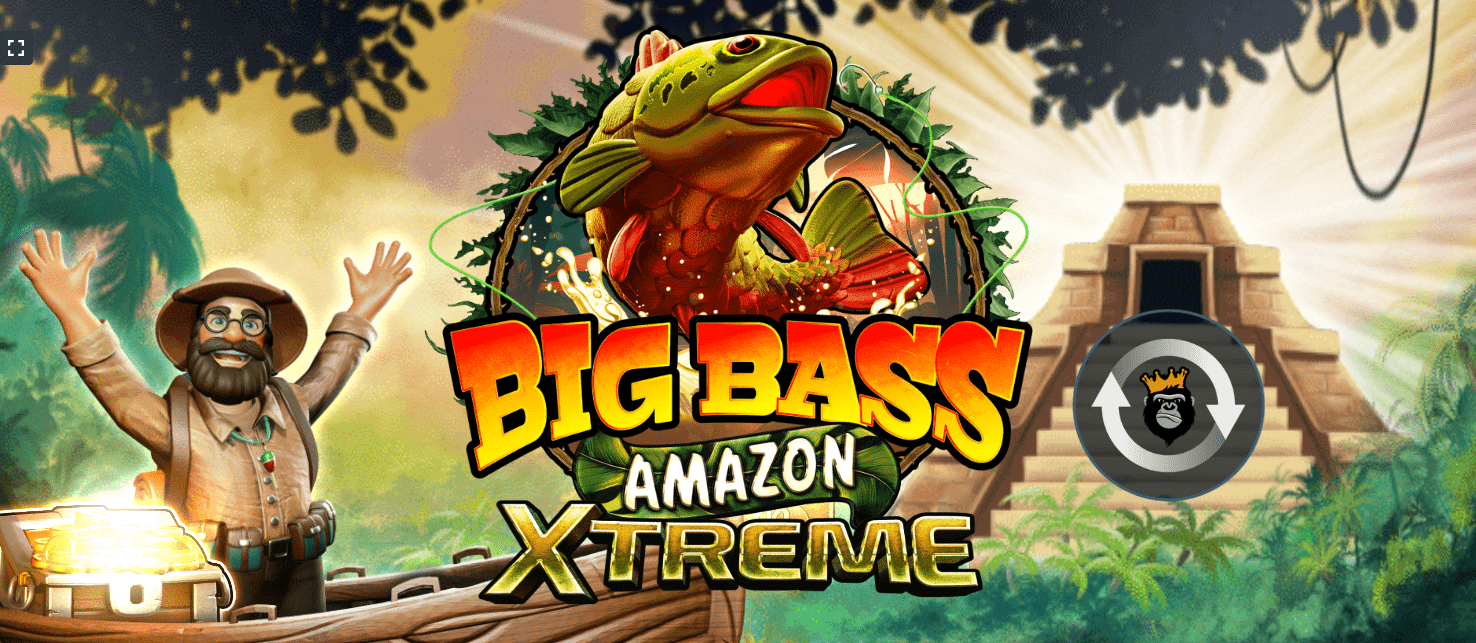
As we dive into the world of online casino thrill, we see that few experiences match the exhilarating, unforeseeable rush of a crash game https://bigbasscrashcasino.ca/. Here in Canada, where our gaming tastes blend a love for skill and a enthusiasm for chance, Big Bass Crash has emerged as a standout title. It’s more than just a game; it’s a fascinating meeting of strategy, timing, and pure, unalloyed luck. We’re here to examine the very nature of that luck—those random acts of fortune that can turn a casual play into a colossal win. This isn’t about cold, hard algorithms; it’s about the thrilling moment when the multiplier climbs, your heart races, and you determine whether to cash out or ride the wave. We’ll uncover the layers of this popular game, analyzing how its mechanics work, why it connects so deeply with Canadian players, and how you can navigate its volatile waters. Think of this as your guide to understanding the beautiful chaos behind every round, where every launch is a leap of faith into a lake of potential rewards.
Grasping the Crash Game Trend
To truly understand the random acts of luck in Big Bass Crash, we first need to understand the crash game genre itself. Coming from platforms outside traditional casinos, crash games have engaged players worldwide with their simple yet profoundly suspenseful premise. The core mechanic is elegantly straightforward: you place a bet, watch a multiplier climb from 1x upwards, and must cash out before it randomly “crashes.” The genius lies in the tension between greed and caution. For Canadian players, this format offers a welcome alternative to slot reels or card tables, offering a communal, adrenaline-fueled experience often enhanced by live chat and shared anticipation. The “crash” point is determined by a provably fair random number generator (RNG), guaranteeing every game’s outcome is completely independent and unpredictable. This ensures that no pattern can be reliably discerned, cementing luck as the ultimate decider. It’s this perfect storm of simplicity, transparency, and heart-pounding risk that has made crash games like Big Bass a mainstay in the portfolios of top online casinos catering to our market.
Chance Across the Canadian Gaming Landscape
When we examine Big Bass Crash within the broader Canadian gaming landscape, its attraction becomes even clearer. Our market has a rich history of adopting games of chance, from nationwide lotteries to casino hubs. However, Canadian players are also known for being informed and appreciating transparency. The provably fair, uncomplicated nature of crash games fits this profile ideally. Unlike complex table games with numerous rules, the luck in Big Bass is direct and apparent. Furthermore, the game’s pace fits our lifestyle; rounds are fast, making it suitable for a play session during a commute or a break. The theme itself, as noted, connects with a common Canadian leisure activity. The random luck on offer is also adaptable—you can participate with it for small stakes for fun or for larger amounts if you’re going after a significant catch. This versatility allows it to sit comfortably alongside other popular genres in our market, offering a distinct type of adrenaline rush that is both contemporary and deeply rooted in the universal appeal of challenging one’s fortune against the unknown.
Where Tactics Intersect Random Chance
One of the most attractive aspects of Big Bass Crash for the reflective Canadian player is the fine balance between strategy and randomness. While the crash point itself is entirely random and impossible to predict, your reaction to it is where strategy lives. We form personal tactics, like the “set-and-forget” method using auto-cashout, where we decide on a target multiplier (say, 2x or 5x) before the round starts. This removes emotion from the decision, a traditional disciplined approach. Conversely, the “ride-the-wave” strategy involves manual control, challenging your nerve against the game’s random volatility. Bankroll management is another strategic pillar; deciding what percentage of your funds to bet per round is a conscious choice that mitigates the impact of unlucky streaks. However, we must always bear in mind that no strategy can affect the underlying random number generator. The best strategy acknowledges luck’s supreme role and focuses on directing our own decisions around it, making sure our gaming session remains pleasant and within our means, irrespective of the random outcomes.
The Mental Dynamics of the Withdrawal Moment
The defining moment in every game of Big Bass Crash—the cash-out decision—is a captivating psychological event. It’s in this moment that the conceptual concept of random luck becomes a visceral, emotional experience. As the multiplier increases, our brains grapple with cognitive biases. The “greed factor” urges us to wait just a little longer for a larger payoff, while the “fear of regret” pushes us to secure the win before a crash. This tension is heightened by the game’s thematic presentation; the swimming bass and rising sonar dial establish a narrative of pursuit. For Canadian players, who often appreciate games that require a blend of patience and decisiveness, this moment is uniquely engaging. We also experience the “gambler’s fallacy,” mistakenly thinking that a higher multiplier is “due” to crash after a series of low ones, even though each event is separate. Grasping this psychology helps us detach emotion from action. Acknowledging that the crash is random and imminent at any moment enables us to make more structured, and often more satisfying, decisions during gameplay.
The Essential Mechanics of Big Bass Crash
Big Bass Crash uses the classic crash model and blends it with a well-known and beloved theme: fishing. This thematic layer isn’t just cosmetic; it defines the entire experience. You’re essentially casting your line (placing your bet) and reeling in a catch as the multiplier increases. The game presents vibrant underwater visuals, with the multiplier shown on a sonar-like scale, climbing as our animated big bass moves deeper. The auditory cues—the gentle underwater atmosphere, the ticking of the multiplier—build incredible tension. Mechanically, it works on a certified RNG system where the crash point is determined at the very instant you press “Play,” making every round a unique event. There’s no memory in the system; past rounds have zero influence on future ones. This is a critical point for us in Canada to understand: each play is a clean act of luck. The game also often features bonus features like free rounds or special symbols that can trigger additional wins, adding another dimension of excitement to the core crash dynamic.
Big Bass motif: Enhancing the Excitement
The Big Bass theme goes beyond provide pretty graphics; it skillfully magnifies the emotional thrill of the random crash mechanic. By framing the experience around fishing—a pastime deeply ingrained in Canadian culture—the game establishes an immediate sense of familiarity and excitement. The act of betting becomes “casting a line”. The growing multiplier turns into the tension of “reeling in a big one”. The random crash is the breath-catching moment the fish might get away. This thematic wrapper makes the randomness more accessible and more compelling. It creates a story with each round. Furthermore, the thematic elements often tie into bonus features. For instance, securing special lures or symbols on the crash meter might trigger a bonus round, presenting a second layer of random reward. This thematic cohesion is a textbook case in game design, turning a mathematical exercise of probability into an immersive narrative. It speaks to us because it bridges the digital chance of a crash game to the tangible, patient luck we link to a day out on one of Canada’s many pristine lakes.
Provably Fair Mechanisms: The Core of Reliability
For fortune to seem really exhilarating and fair, particularly to a licensed market like Canada’s, participants require confidence. This is where “provably fair” systems enter the picture, serving as the digital core that validates every random act in Big Bass Crash. In simple terms, provably fair is a cryptographic approach that enables you to validate the legitimacy of each game round after it’s completed. The system creates a hidden random seed (from the server) and a user seed (often from your entry), combining them to determine the crash point. After the round, you can inspect these seeds to verify the conclusion was not manipulated. This transparency is crucial. It implies that while the outcome is unpredictable, it is also verifiably fair and was not pre-set against you. For us, this builds strong assurance. We can interact with the game aware that the “random acts of luck” are real instances of a approved RNG, not the whims of an obscure system. This impartiality is a primary cause why crash games have gained such legitimacy and broad acceptance.
Managing Expectations in a Contest of Chance
A responsible and pleasurable experience with Big Bass Crash, or any game of pure chance, hinges on controlling our expectations. The initial and most important expectation to set is that randomness guarantees no pattern, no due wins, and no predictable outcomes. Each tap of the “Play” button is an separate event. Therefore, we should never view gameplay as an investment or a way to generate income; it is paid entertainment. The merit is in the thrill of the experience itself. Setting strict limits on time and money before starting is non-negotiable. We should also emotionally prepare for variance—the natural streaks of good and bad luck that are embedded in random systems. A string of early crashes is not the game being “cold,” just as a series of high multipliers isn’t it being “hot.” It’s simply variance in action. By embracing this, we protect ourselves from frustration and the dangerous chase for losses. Embracing the game for its entertainment value, welcoming the random wins as happy surprises, and dismissing losses as the cost of that excitement is the best approach for any Canadian player.
Welcoming the Chance Ride for Entertainment
Ultimately, the ongoing appeal of Big Bass Crash for us in Canada lies in learning to embrace the random ride for what it is: premium digital entertainment. The game’s design masterfully wraps the raw, unpredictable nature of luck into a short, intense, and visually pleasing experience. When we play with the right mindset—focusing on fun over profit—we unlock its true potential. Every round becomes a small adventure, a story with an unclear ending. The random acts of luck, whether they lead to a modest cash-out at 1.5x or a legendary catch at 100x, are the plot twists that keep us coming back. This acceptance of randomness is empowering; it frees us from the stress of trying to outthink an algorithm that has no memory or pattern. Instead, we can appreciate the communal suspense, the shared celebrations in chat, and the personal challenge of testing our nerve. In a world where we often look for control, Big Bass Crash provides a few moments of exhilarating surrender to chance, and that, in itself, is a truly refreshing form of play.